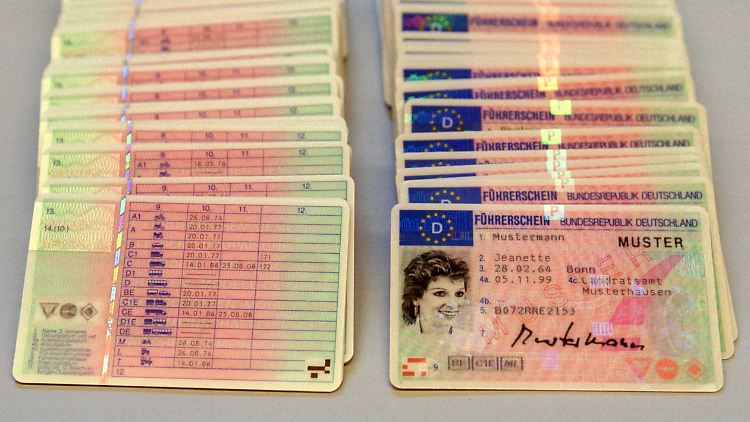
10 Startups That Are Set To Revolutionize The Buy A Driver's License Legally Industry For The Better
How to Legally Buy a Driver's License: A Comprehensive Guide
Acquiring a driver's license is a substantial turning point for many people, representing independence and the capability to travel freely. Nevertheless, the processes and policies surrounding getting a driver's license can be complicated, leading some individuals to seek shortcuts. It is important to stress that purchasing a chauffeur's license legally isn't about bypassing regulations; rather, it's about understanding the legitimate processes for obtaining a chauffeur's license in your jurisdiction. This short article aims to notify readers about the correct procedures and guidelines for acquiring a driver's license legally.
Comprehending the Legal Process of Obtaining a Driver's License
Before delving into the requisite steps for obtaining a motorist's license, it's necessary to comprehend the legal framework that governs these procedures. Each state or country has its own Department of Motor Vehicles (DMV) or equivalent authority, which controls the issuance of chauffeur's licenses. Here's a breakdown of the typical steps associated with obtaining a motorist's license legally:
Step
Description
1
Eligibility Check: Verify age, residency, and other requirements.
2
Student's Permit (if needed): Some areas need acquiring a learner's license before getting a full license.
3
Chauffeur's Education: Complete any necessary motorist's education courses.
4
Practice Driving: Accumulate the needed number of practice hours.
5
Composed Test: Pass a written exam covering traffic laws and policies.
6
Roadway Test: Successfully complete a driving test with an inspector.
7
Application Submission: Submit the application along with required files and costs.
8
Getting the License: After passing all tests and meeting requirements, receive the driver's license.
Step-by-Step Breakdown of Each Phase
1. Eligibility Check
The first action towards getting a motorist's license is to confirm that you meet the eligibility requirements. Generally, this consists of being of a certain age (typically between 16 to 18 years), being a homeowner of the state in which you are using, and having valid identification.
2. Student's Permit
In lots of places, you should initially obtain a learner's permit, which enables you to practice driving under specific limitations. This permit often needs passing a preliminary written test and is generally readily available to more youthful applicants.
3. Motorist's Education
A number of states mandate conclusion of a motorist's education course that consists of both classroom guideline and behind-the-wheel training. This education helps brand-new chauffeurs comprehend safe driving practices and state-specific traffic laws.
4. Practice Driving
A lot of jurisdictions require a set variety of hours driving under guidance before you can take the roadway test. Inspect your state's guidelines to learn the number of hours are needed and what external conditions are required (e.g., night driving).
5. Composed Test
Before taking the roadway test, applicants should normally complete a written assessment. This test typically evaluates understanding of road signs, traffic laws, and safe driving methods.
6. Roadway Test
The roadway test examines your practical driving skills. An examiner will assess your ability to handle a car while obeying traffic laws throughout a set driving route.
7. Application Submission
After passing the tests, you will require to send an official application for your motorist's license. This can normally be performed in person at your regional DMV workplace or sometimes online. Guarantee you have actually the required documents, such as identity confirmation and evidence of residency, and be prepared to pay the license cost.
8. Receiving the License
When all requirements are met, you will get your driver's license. Keep in mind that in some jurisdictions, a provisional license might be issued at first, followed by a full license after keeping a clean driving record for a specific period.
Regularly Asked Questions (FAQs)
1. Can the advantage use a foreign chauffeur's license in the United States?
Yes, numerous states allow travelers to drive with a valid foreign chauffeur's license for a set period. However, it's important to check specific state policies, as the rules vary.
2. What is the minimum age to get a chauffeur's license in the United States?
This varies by state, however the minimum age is normally in between 16 and 18 years. It is suggested to check with your state's DMV.
3. The length of time does it take to get a motorist's license after passing tests?
When all requirements are satisfied, numerous states release the license on the same day, normally in the type of a temporary license up until the official card shows up by mail.
4. What documents do I require to obtain a chauffeur's license?
Files frequently consist of proof of identity (passport, birth certificate), evidence of residency (utility bill, lease), Social Security number, and sometimes, school participation records for minors.
5. Can I get a motorist's license if I have a rap sheet?
Having a criminal record might impact your ability to obtain a chauffeur's license, particularly if the offense associates with lorry operation. Laws vary by state, so it's crucial to investigate specific requirements.
Obtaining a driver's license legally requires a clear understanding of the specific procedures, requirements, and regulations in your location. While it might appear troublesome, following the proper steps makes sure security, compliance with the law, and a valid license that supports the freedom to drive legally. By focusing on education, practice, and adherence to legal guidelines, prospective motorists can confidently browse the journey to becoming licensed drivers.